House Construction in Hyderabad
Build Your Dream Home with PSB Builder Your dream home deserves more than just construction—it deserves expert planning, quality workmanship, and a builder you can trust. At PSB Builder, we specialize in house construction in Hyderabad, helping families build strong, modern, and comfortable homes that last for generations. Whether you are planning an independent house, duplex, luxury villa, or custom-designed home, we provide complete residential construction solutions tailored to your needs. With 12+ years of experience and 20+ successfully completed residential projects, we understand that every family has a different vision. Some want a modern home with smart technology, while others prefer a spacious family house with timeless architecture. Our job is to understand your ideas and transform them into a home that reflects your lifestyle and future goals. From the first consultation to the final handover, we focus on quality, transparency, timely execution, and customer satisfaction. Every stage of construction is carefully planned so you can enjoy a smooth and stress-free building experience. Build with confidence. Build with PSB Builder. Book a Free Site Visit | Get a Free Construction Estimate About PSB Builder PSB Builder is an independent residential construction company led by P. Satya Bhaskar, a trusted builder with more than 12 years of experience in the construction industry. Over the years, we have helped homeowners across Hyderabad build beautiful and durable homes that match their lifestyle, budget, and future plans. Every project begins with one simple goal—to understand what the customer truly wants before construction starts. We don’t believe every home should look the same. Every family has different requirements, and every home should reflect those needs. Whether you need extra living space, a modern kitchen, a home office, smart home features, or premium interiors, we carefully plan every detail before construction begins. Our work is built on four core values: Quality Construction Honest Communication On-Time Project Delivery Customer Satisfaction These values help us build long-term relationships with our customers while delivering homes that are safe, functional, and built to last. Why Choose PSB Builder for House Construction in Hyderabad? Choosing the right builder is one of the most important decisions when building your dream home. A reliable construction partner not only delivers a quality home but also makes the entire journey easier and more transparent. 12+ Years of Residential Construction Experience Our experience allows us to plan projects efficiently, solve construction challenges quickly, and deliver homes that meet modern living standards. Customized Home Construction Every family is different, and every home should be too. We design and build homes based on your lifestyle, future requirements, and budget instead of using a one-size-fits-all approach. Quality Construction Materials We focus on using quality materials and proven construction practices to create homes that are strong, durable, and comfortable for long-term living. Transparent Communication Building a home should never feel confusing. We keep you informed throughout the project with clear updates, practical advice, and honest discussions. Timely Project Completion Proper planning and disciplined execution help us complete projects within the agreed timeline while maintaining construction quality. Customer-First Approach Your satisfaction is our priority. We listen carefully, answer your questions, and work closely with you to ensure your dream home becomes a reality. Residential Construction Services We provide complete residential construction services in Hyderabad, offering end-to-end solutions from planning to project completion. Independent House Construction Planning your own independent house gives you complete freedom to design your living space exactly the way you want. We build homes that combine structural strength, practical layouts, and modern comfort while making the best use of your available plot. Luxury Villa Construction A luxury villa should offer more than premium finishes. It should provide spacious living, elegant design, natural lighting, and a comfortable lifestyle. We build villas that balance aesthetics with functionality and long-term durability. Turnkey House Construction Managing multiple contractors can be stressful. Our turnkey construction service handles the complete construction process under one roof, helping homeowners enjoy a smoother and more organized experience from start to finish. Interior Design Integration Beautiful interiors begin with proper planning. By considering interior layouts during construction, we create better room designs, smarter storage solutions, efficient lighting plans, and functional living spaces that improve everyday life. Home Automation Solutions Modern homes are becoming smarter every year. We help homeowners plan spaces that support smart lighting, digital door locks, security cameras, video door systems, smart switches, and other automation features. Planning these systems during construction makes future upgrades easier and more efficient. Construction Consultation If you’re planning to build a house but don’t know where to start, we’re here to help. Our consultation service includes project planning, plot evaluation, space planning, construction guidance, and practical advice to help you make informed decisions before construction begins. Whether you’re building your first home or your forever home, PSB Builder is committed to delivering quality construction, thoughtful planning, and a smooth building experience. Our House Construction Process Building a home is a major investment, and a clear construction process helps make the journey smooth and stress-free. At PSB Builder, every project follows a structured approach to ensure quality, transparency, and timely completion. Free Consultation We begin by understanding your requirements, budget, lifestyle, and expectations. This helps us recommend the right construction approach for your project. Site Visit & Planning Our team visits your plot to evaluate site conditions, discuss design ideas, and understand the available space. Proper planning at this stage helps avoid costly changes later. Construction Execution Once the planning is complete, construction begins with a strong foundation and systematic execution. Every stage is completed using quality materials and skilled workmanship. Quality Inspection Regular site inspections help maintain construction standards. We monitor every phase carefully to ensure the project meets our quality expectations. Project Handover After the final inspection, we hand over a well-built home that is ready for your family to move in and enjoy. Our Quality Standards Quality is the foundation of every home we build. We focus on creating houses that are strong, safe, and designed
How to Choose the Right Outfit for Every Occasion

Introduction Choosing the right outfit for every occasion helps you look confident, feel comfortable, and create a positive impression. Whether you are attending a job interview, office meeting, wedding, festival, family gathering, or casual outing, wearing appropriate clothing can boost your confidence. The right outfit is not only about fashion but also about comfort, personality, and suitability for the occasion. Why Choosing the Right Outfit Matters Your outfit is often the first thing people notice about you. Dressing appropriately shows respect for the occasion and reflects your personality. Comfortable and well-fitted clothes also help you stay confident throughout the day. Benefits of choosing the right outfit include: Understand the Occasion Before Choosing Your Outfit Before selecting an outfit, understand where you are going and what type of event you are attending. Different occasions require different styles of clothing. Examples: Choosing clothes according to the occasion helps you look appropriate, feel comfortable and confident. Choose Comfortable Clothing Comfort is one of the most important factors when selecting an outfit. Wearing clothes that fit properly allows you to move freely and enjoy the occasion. Avoid: Choose breathable fabrics like cotton during summer and warmer fabrics during winter. Select Colors That Match the Occasion Colors play an important role in fashion. For example: Choosing suitable colors makes your outfit more attractive. Choose the Right Footwear Footwear should match your outfit and the occasion. Examples: Comfortable footwear helps you stay active throughout the day. Keep Accessories Simple Accessories complete your overall appearance. Some commonly used accessories include: Choose accessories that complement your outfit instead of overpowering it. Wearing too many accessories makes you look bulky. Dress According to the Weather Weather should also influence your outfit choices. During summer: During winter: During rainy weather: Choose Clothes That Fit Your Body Type Everyone has a different body shape, so choose outfits that fit you comfortably. Well-fitted clothes: Avoid wearing clothes simply because they are trending. Choose styles that suit your body type and personality. Follow Basic Fashion Tips Simple fashion habits can improve your overall look. Some useful fashion tips include: Common Mistakes to Avoid Many people make simple fashion mistakes. Avoid these habits: Frequently Asked Questions Why is choosing the right outfit important? The right outfit improves confidence, provides comfort, and creates a positive impression. How do I choose clothes for different occasions? Understand the event, consider the dress code, weather, comfort, and choose clothes that suit your personality. Should comfort be more important than fashion? Yes. Comfortable clothing allows you to feel confident and enjoy the occasion while still looking stylish. How can I improve my dressing style? Wear clothes that fit well, maintain good personal hygiene, choose suitable colors, and keep your outfit simple and neat. Conclusion When choosing an outfit, comfort is always your first priority . Choosing the right outfit for every occasion is about finding the perfect balance between comfort, style, and confidence. Understanding the event, selecting suitable colors, wearing comfortable clothing, and using simple accessories can improve your overall appearance. Fashion is not about wearing expensive clothes but about dressing appropriately and feeling confident in what you wear. Small changes in your dressing habits can leave a lasting impression and help you present your best self every day.
Benefits of Eating Healthy Fruits and Vegetables
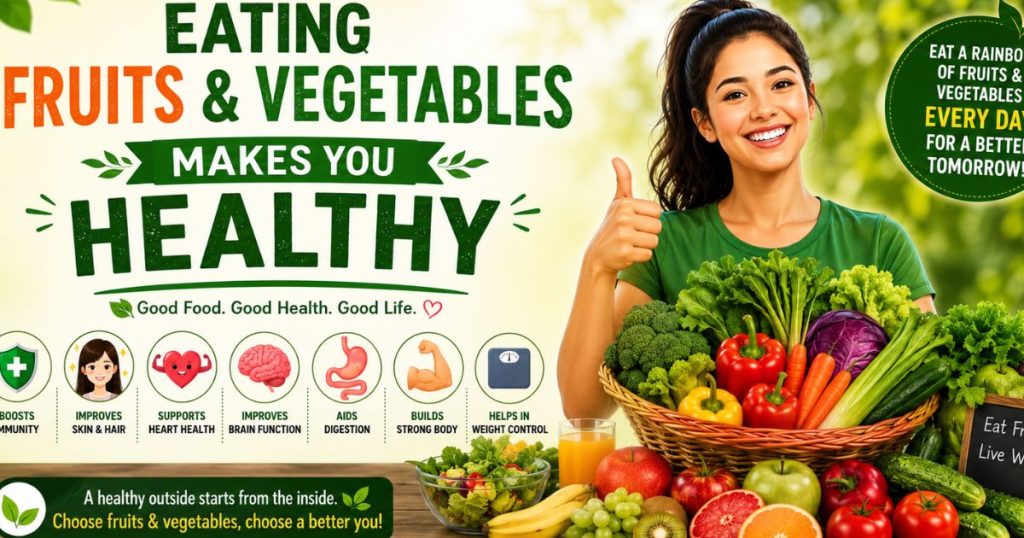
Introduction Fruits and Vegetables are a real gift from Nature.Eating healthy fruits and vegetables is one of the best ways to improve your overall health. They are rich in natural vitamins, minerals, fiber, antioxidants, and water that help the body function properly. A healthy diet that includes fresh fruits and nutritious vegetables supports a healthy lifestyle and provides the nutrients your body needs every day. Whether you are a student, a working professional, or a senior citizen, healthy eating habits can make a positive difference in your daily life for your Health and Skin as well. Why Are Fruits and Vegetables Important? Fruits and vegetables are an essential part of a balanced diet. They provide natural nutrition without adding excessive unhealthy fats or sugars. Regular consumption of fresh fruits and vegetables helps maintain a healthy body, improves digestion, and supports every major organ. Eating a variety of colorful fruits and vegetables also ensures that your body receives different vitamins and minerals. Benefits of Eating Fruits Every Day One of the biggest benefits of eating healthy fruits every day is that they provide natural energy. Fruits contain natural sugars that give your body energy without the unhealthy effects of processed snacks. They also help improve hydration because many fruits have high water content. Fresh fruits also support better concentration, improve mood, and help your body recover after physical activity. Benefits of Vegetables for Skin Healthy skin starts with healthy food. Vegetables are rich in vitamins A, C, and E, which help repair skin cells and protect the skin from damage. Antioxidants found in vegetables help reduce the effects of pollution and environmental stress. Benefits for the skin include: Vegetables such as carrots, tomatoes, spinach, cucumbers, and broccoli are excellent choices for maintaining healthy skin. Healthy Foods for the Immune System A strong immune system helps the body fight infections and illnesses. Fruits and vegetables are rich in Vitamin C, Vitamin A, zinc, and antioxidants that support immunity. Some of the best foods for the immune system include: Including these foods in your daily diet helps your body stay healthy throughout the year. Fruits and Vegetables for Heart Health Heart health is important for overall well-being. Fruits and vegetables contain fiber, potassium, and antioxidants that support healthy blood circulation and help maintain normal blood pressure. Heart-friendly foods include: Following a balanced diet with plenty of fresh fruits and vegetables supports a healthy heart. Healthy Foods for Brain Health The brain requires proper nutrition to function efficiently. Fruits and vegetables contain nutrients that support memory, concentration, and learning ability. Foods that support brain health include: A healthy diet can help improve focus and overall mental performance. Benefits of Fruits and Vegetables for Digestive Health Fiber is one of the most important nutrients for healthy digestion. Fruits and vegetables improve bowel movements, support gut health, and help prevent constipation. High-fiber foods include: A healthy digestive system also helps the body absorb nutrients more effectively. Best Fruits and Vegetables for Weight Management People trying to maintain a healthy weight should include more fruits and vegetables in their meals. They are generally low in calories and high in fiber, helping you feel full for longer and reducing unnecessary snacking. Healthy choices include: Include Best Fruits and Vegetables to Your Daily Diet Fruits Vegetables Eating a variety of seasonal fruits and vegetables provides your body with different nutrients. Healthy Eating Habits for Daily Life Developing healthy eating habits is simple when you make small changes every day. Some useful habits include: Common Mistakes to Avoid Some people make mistakes that reduce the benefits of a healthy diet. Avoid these habits: Frequently Asked Questions Why should we eat fruits and vegetables every day? They provide vitamins, minerals, fiber, and antioxidants that support overall health and help keep the body strong. Which fruits are best for healthy skin? Papaya, oranges, watermelon, strawberries, and avocados are excellent choices for healthy skin. Can fruits and vegetables help with weight management? Yes. They are rich in fiber, low in calories, and help you feel full for a longer time. How many fruits and vegetables should I eat daily? Including a variety of fruits and vegetables throughout the day helps support a balanced and nutritious diet. Conclusion The benefits of eating healthy fruits and vegetables simply satisfying hunger. They support heart health, brain function, digestion, healthy skin, immunity, weight management, and overall well-being. Following a healthy diet with fresh fruits and nutritious vegetables every day is one of the simplest ways to build a healthier lifestyle. Small daily changes in your eating habits can create long-term health benefits for both your body and mind.
How to Start a Blog that Actually Gets Traffic

Most people who start blogs give up within 3 months. Here’s how to be the one who doesn’t and actually builds something worth reading. Let me be honest with you right from the start. Starting a blog is easy. Every tutorial on the internet will tell you to “pick a niche, buy a domain, install WordPress, and start writing.” And they’re not wrong those steps do matter. But that advice misses the most important thing entirely. The blogs that actually get traffic, build audiences, and eventually make money aren’t just “started.” They’re built with a clear purpose with a real understanding of who they’re writing for, what problems they’re solving, and why anyone should care. I’ve seen students start blogs with incredible excitement write two posts, get almost no traffic, and quietly disappear. Not because they weren’t talented. But because nobody told them what actually makes a blog work. This guide will. Why Most Blogs Fail in the First 90 Days Before we talk about how to succeed, let’s talk about why most people fail. Reason 1: No clear audience in mind They write for “everyone” which means they connect with no one. The best blogs speak so specifically to one type of person that the reader thinks “this was written for me.” Reason 2: Wrong expectations about speed They expect traffic in week 2. Real blog traffic from Google takes 3 to 6 months minimum. The students who succeed are the ones who keep writing even when it feels pointless. Reason 3: Random topics with no strategy They write about whatever feels interesting that day recipes, movies, career advice, travel, all on one blog. Google doesn’t know what the blog is about. Neither does the reader. Reason 4: Zero SEO knowledge Beautiful writing that nobody can find is like cooking a perfect meal in an empty restaurant. The food is good but nobody eats it. Now that you know what not to do let’s build your blog the right way. Step 1: Choose Your Niche – The Decision That Determines Everything A niche is simply the specific topic your blog focuses on. Not “food” but “quick Indian breakfast recipes for college students.” Not “fitness” but “home workouts for beginners with no equipment.” Not “money” but “how freshers in India can start saving on their first salary.” See the difference? The more specific you are, the more powerfully you connect with the exact reader who needs your content. How to Pick the Right Niche for You Ask yourself these three questions: Question 1: What do I genuinely know or enjoy? You’ll be writing about this topic for months and years. If you’re not genuinely interested in it, you’ll quit. Passion keeps you consistent when results are slow. Question 2: Are people searching for this? Open Google and type your topic idea. If Google auto-suggests multiple related searches real people are looking for this content. That’s a good sign. Question 3: Can I help a specific person? The clearer you can describe your ideal reader, the better. “A 22-year-old engineering graduate in Hyderabad who wants to learn digital marketing but doesn’t know where to start” is a perfect reader description. Step 2: Set Up Your Blog – The Technical Part Made Simple This sounds scary for beginners. It’s actually the easiest part. What You Need: A Domain Name: your blog’s address on the internet. Example: yourname.com or yourniche.com Web Hosting: the server where your blog lives online WordPress: the platform you’ll use to write and manage your blog A Clean Theme: how your blog looks Once these four things are set up your blog exists. Now the real work begins. Step 3: Plan Your Content Before You Write a Single Word This is the step most beginners skip. And it’s why they run out of ideas after 3 posts. Before you start writing, create a list of 30 blog post ideas in your niche. Yes, 30. Here’s why: if you can’t think of 30 things to write about in your niche it might not be the right niche for you. How to Find 30 Blog Post Ideas Method What to Do Why it Works Google Suggest Type your niche topic into Google and look at every suggestion that appears Each suggestion is a real search from a real person that’s a blog post waiting to be written “People Also Ask” on Google Search any topic in your niche and scroll down to the “People Also Ask” box Every question there is exactly what your audience wants answered pure gold for blog ideas Answer Your Own Questions Think back to when you were a complete beginner what confused you? What do you wish someone had explained? Thousands of people have the exact same questions you once had wrote for your past self Step 4: Write Your First Blog Post The Right Way Now it’s time to actually write. Here’s a simple structure that works every time for beginners: Headline: Specific, curiosity-driven, includes your keyword Example: “How to Study Effectively in 30 Minutes a Day (Without Losing Your Mind)” Introduction: Start with a relatable problem, surprising fact, or question. Hook the reader in the first 3 lines. Tell them what they’ll learn and why it matters. Main Content: Use H2 and H3 headings to break up your content. Write in short paragraphs, 2 to 3 sentences maximum. Use bullet points for lists. Add a real example in every major section. Conclusion: Don’t just summarize. Tell the reader exactly what to do next. Give them one clear action step. FAQ Section: Answer 4 to 5 common questions about your topic. This helps with SEO and gives readers quick answers. Before You Publish: Quick Checklist Step 5: Get Your First Traffic, Without Waiting 6 Months for Google While your SEO builds slowly in the background, here’s how to get your first real visitors faster: Share in WhatsApp Groups Find WhatsApp groups where your target audience is active. Share your post with a genuine, helpful
Social Media Marketing for Beginners: The Honest Guide Nobody Gives You

Everyone is telling you to “build your social media presence.” Nobody is telling you how. Until now. Here’s something that happens to almost every student who tries social media marketing. They create an account. They post a few times with genuine excitement. They check their phone every 10 minutes waiting for likes and followers. After two weeks of disappointing numbers, they decide “social media doesn’t work for me” and quietly give up. Sound familiar? The problem isn’t social media. The problem is that nobody explained what social media marketing actually is and more importantly, what it isn’t. Social media marketing isn’t about posting randomly and hoping something goes viral. It’s about building real relationships with real people consistently, strategically, and with genuine value. Once you understand that, everything changes. What Is Social Media Marketing? Social media marketing is using platforms like Instagram, YouTube, LinkedIn, and Facebook to build an audience, share valuable content, and create genuine connections that eventually lead to business results. Notice what I didn’t say: it’s not about chasing likes, buying followers, or going viral overnight. The brands and creators who win on social media are not the ones with the flashiest content or the biggest ad budgets. They’re the ones who show up consistently, understand their audience deeply, and create content that makes people’s lives better in some small way. That’s social media marketing. And anyone, including you, can learn it. Which Platform Should You Actually Start With? This is the question every beginner asks and gets the wrong answer to. Most people say “be on every platform.” That advice will exhaust you and you’ll end up doing average work on all of them The smarter answer: start with one platform and actually get good at it. Here’s how to choose the right one for you: Instagram: Best for Visual Creators and Personal Brands If your content is visual – fashion, food, fitness, travel, art, lifestyle Instagram is your home. Reels are Instagram’s most powerful feature right now. Short, valuable, entertaining videos get shown to people who don’t follow you yet meaning free reach to new audiences. Who should choose Instagram: Students who are comfortable on camera, have a visual niche, or want to build a personal brand. YouTube: Best for Deep, Educational Content YouTube is the world’s second largest search engine. People come to YouTube specifically to learn something which means if you teach something valuable, you have a built-in audience looking for you. The advantage: YouTube videos rank on Google too. One good YouTube video can bring traffic for years. Who should choose YouTube: Students who can explain things clearly, enjoy teaching, or have expertise in any topic coding, cooking, career advice, language learning. LinkedIn: Best for Professional Growth and B2B LinkedIn is where professionals, business owners, and decision-makers spend their time. If you’re a student wanting to build a professional reputation, get noticed by recruiters, or eventually work in B2B (business to business) marketing ,LinkedIn is where you need to be. Who should choose LinkedIn: Students in engineering, management, finance, digital marketing, or anyone serious about career growth. Facebook Best for Communities and Local Businesses Facebook’s organic reach has declined for individual pages but Facebook Groups are still enormously powerful. Creating or participating in a Facebook Group around your niche builds community in a way no other platform does as well. Who should choose Facebook: Students helping local businesses, running community-based projects, or targeting older demographics. The Content Formula That Actually Works Now here’s where most social media advice gets vague. “Post good content” thanks, very helpful. Let me give you something more concrete. The content that consistently performs well on every social media platform follows this simple formula: Value + Personality + Consistency = Growth Value means every post teaches something, solves a problem, answers a question, or entertains in a meaningful way. Ask before every post: “What does my audience get from this?” Personality means letting people see who you actually are. Not a polished, perfect version but a real, relatable human being. People follow people, not content machines. Consistency means showing up on a schedule your audience can count on. 3 posts a week for 6 months beats 20 posts in one week and then silence. Understanding the Algorithm Without the Confusion Every social media platform has an algorithm a system that decides which content gets shown to more people. Beginners think algorithms are mysterious and unfair. They’re actually very logical once you understand what they’re trying to do. Every algorithm has the same goal: keep users on the platform as long as possible. So algorithms promote content that makes people stop scrolling, engage (like, comment, share, save), and come back for more. This means the algorithm isn’t your enemy. It’s actually on your side if you create content that genuinely helps and engages people. What signals does the algorithm reward? The Biggest Mistakes Beginners Make on Social Media ⚠️ Mistake 1: Posting without a strategy💡 Fix: Before every post ask yourself who am I talking to? What will they get from this? What do I want them to do next? Random posting gives random results. Simple as that. ⚠️ Mistake 2: Focusing on follower count💡 Fix: Stop checking your follower number. Start checking how many people saved your post, replied to your story, or messaged you. 500 people who actually care will always beat 50,000 who scroll past without blinking. ⚠️ Mistake 3: Giving up after 30 days💡 Fix: Give yourself at least 6 months before judging results. Social media growth is slow at first, then suddenly it’s not. Most people quit right before things start to pick up. Don’t be that person. ⚠️ Mistake 4: Never engaging with others💡 Fix: Social media is not a billboard. Comment on others’ posts. Reply to your own comments. Join conversations. The more you show up for others, the more they show up for you. ⚠️ Mistake 5: Copying exactly what works for others💡 Fix: Study what works. Understand why it
How Indian Students Are Earning ₹15,000 a Month With Affiliate Marketing (And How You Can Too)
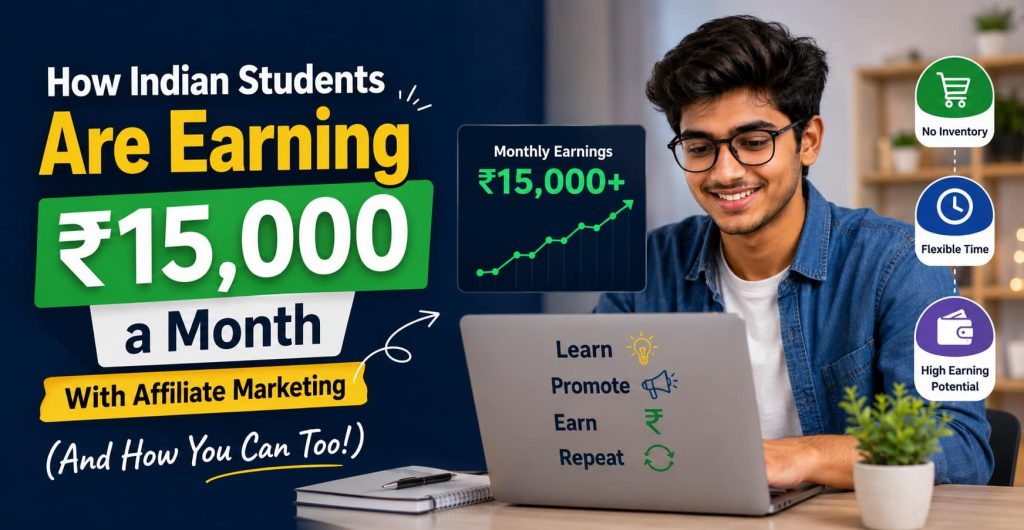
No investment. No product to create. No office required. Here’s the online income model that’s quietly changing the financial lives of students across India. Rahul was in his third year of B.Com when he posted a simple YouTube video reviewing a budgeting app he genuinely used. He included a link in the description. Nothing fancy, just the affiliate link the app company gave him. That month, he earned ₹3,200 from that one video. He hadn’t sold anything. He hadn’t created a product. He hadn’t cold-called anyone. He simply shared something he already knew about, and earned a commission every time someone signed up through his link. That’s affiliate marketing. And it’s one of the most beginner-friendly ways to earn online, especially for Indian students with a phone, an internet connection, and something genuine to share. What Is Affiliate Marketing ? In Simple Language Affiliate marketing is the process of earning a commission by promoting someone else’s product or service. Here’s how the process works: Step 1: You join a company’s affiliate program- usually free. Step 2: They give you a unique tracking link for their product. Step 3: You share that link with your audience- through a blog, YouTube, Instagram, WhatsApp, or any platform. Step 4: When someone clicks your link and makes a purchase, you earn a percentage of the sale. Step 5: The company handles everything else- product delivery, customer service, payment processing. You earn money for referring customers. The company gets a sale they might not have had otherwise. The customer discovers a product that helps them. Pretty good deal, right? You refer, they buy, you earn. No selling involved. Why Affiliate Marketing Works Especially Well for Students You might be thinking: “I don’t have a big audience. I don’t have a website. I’m just a student.” Here’s what actually surprised me about affiliate marketing when I first learned it. You don’t need to invest money upfront. No inventory, no product, nothing to buy. Just your time and willingness to learn. And you don’t need a massive audience either. Honestly, 500 people who actually trust you will earn more than 50,000 random followers who don’t care. The best part? That one blog post or video you make today can still earn you money two years from now. While you’re sleeping, studying, whatever. How Much Can You Actually Earn? Real Numbers for India Let me give you honest numbers not hype. Beginner phase (Month 1 to 6): Most beginners earn between ₹0 and ₹2,000 per month. This is the learning phase. Focus on building skills and creating content not on income. Intermediate phase (Month 6 to 18): With consistent effort, earnings of ₹3,000 to ₹15,000 per month become realistic. This is where Rahul was after 8 months. Advanced phase (Year 2 and beyond): Affiliates with established blogs, YouTube channels, or social media presence in profitable niches earn ₹30,000 to ₹2,00,000+ per month. The range is enormous because it depends on your niche, your consistency, the products you promote, and your traffic volume. The students who earn nothing are the ones who tried for 2 months and quit. The students who earn well are the ones who treated month 1 as an investment in something that pays later. Step-by-Step: How to Start Affiliate Marketing as a Student in India Step 1: Choose Your Niche Pick a topic you genuinely know about and enjoy talking about. Affiliate marketing works best when your recommendations feel authentic, because they are. High-earning niches in India: Important: Don’t choose a niche just because it pays well. Choose one you can create genuine, helpful content about consistently. Step 2: Join Affiliate Programs Here are the best affiliate programs to start with as an Indian student: Amazon Associates India: Promote any product on Amazon India. Commission rates vary from 1% to 10% depending on category. Perfect for beginners because everyone trusts Amazon. Flipkart Affiliate Program: Similar to Amazon, promote products and earn commissions. Good for electronics, fashion, and home products. Coursera Affiliate Program: Earn up to 45% commission on course sales. Excellent for students in the education niche. Hostinger Affiliate Program: Earn ₹1,000 to ₹5,000+ per sale by referring people to web hosting. Great if you’re in the blogging or website building niche. ShareASale and Impact: These are affiliate networks, one account gives you access to hundreds of brands across every niche. Step 3: Create a Platform You need somewhere to share your affiliate links. The most effective options: Blog: Write detailed product reviews, comparison articles, and “best of” lists. SEO brings readers who are already ready to buy. YouTube Channel: Review products on video. YouTube has massive trust, viewers feel like they know you personally after watching you. Instagram: Great for visual products. Share genuine reviews in your Stories and posts with your affiliate link in bio. WhatsApp Broadcast: Build a list of people genuinely interested in your niche and share valuable recommendations. Surprisingly effective in India. Step 4: Create Genuinely Helpful Content Okay a real talk, this is exactly where most people mess up. And I get it, I almost did the same thing. They create content that screams “BUY THIS.” Readers feel the desperation. They leave without clicking. The content that actually converts to affiliate income is content that genuinely helps people make good decisions. Types of content that work for affiliate marketing: Product Reviews: Share your real experience using the product. What did you like? What didn’t work? Who is it best for? Honesty builds trust. Trust leads to purchases. Comparison Articles: “Hostinger vs Bluehost: Which is Better for Beginners in India?” People searching this are ready to buy they just need help deciding. “Best Of” Lists: “Best Apps for Students to Save Money in India” list 5 to 7 products, include affiliate links for the ones with programs, and genuinely recommend only what you’d use yourself. Tutorial Content: “How to Start a Blog on Hostinger in 10 Minutes” teach people to use a product step-by-step. This type of content converts
I Wrote 47 Blog Posts and Got Zer😒 Traffic, Then I Discovered SE😃
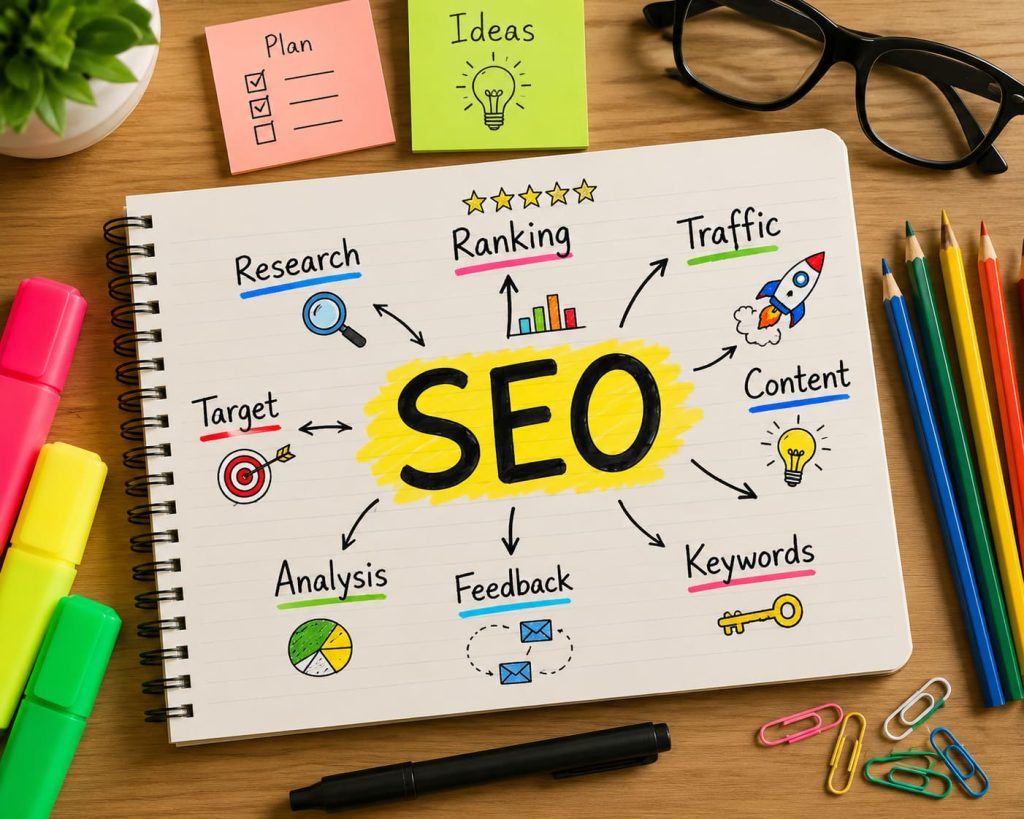
If you have ever created something online and wondered why nobody saw it, this is the article that will change everything. Let me tell you about the most frustrating six months of my life. I was excited. I had ideas. I started a blog, wrote post after post, poured my heart into every word and waited. Day 1 – Zero visitors. Week 2 – Still zero. Month 3 – My mom was the only reader. And I’m pretty sure she didn’t finish the articles. I thought the problem was my writing. Maybe I wasn’t good enough. Maybe nobody cared about what I had to say. Maybe this whole “blogging” thing was a scam. Then one day, a friend asked me a simple question that changed everything. “Are you doing SEO?” I had no idea what that meant. Two weeks later, after learning just the basics, my blog started getting visitors. Real ones. Strangers from cities I’d never been to. People who actually needed what I had written. That’s when I understood: it wasn’t my writing that was the problem. My content simply couldn’t be found. SEO fixed that. And it can fix it for you too. What Is SEO? (The Honest, Simple Answer) SEO stands for Search Engine Optimization. But forget that definition for a second, because it sounds more complicated than it is. Here’s what SEO actually means in real life: When someone types a question into Google, SEO is what determines whose answer appears first. That’s it. Every second, millions of people are searching for things on Google. “How to learn coding.” “Best budget phone in India.” “How to make money online as a student.” Each search shows a list of results and the websites at the top get almost all the clicks. SEO is the skill of getting YOUR content to that top spot. And here’s what makes it powerful: you don’t pay Google a single rupee for it. Unlike ads that stop the moment you stop paying, SEO keeps working 24 hours a day, 7 days a week, for months and years, completely free. Why Your Career Literally Depends on Understanding SEO I know that sounds dramatic. But hear me out. Every business today needs an online presence. Every brand wants to be found on Google. Every website owner is desperately trying to rank higher. And most of them don’t know how. That gap between what businesses need and what they know how to do is where your opportunity lives. Whether you want to: SEO is the foundation of all of it. Companies are paying ₹20,000 to ₹80,000 per month for good SEO professionals in India. Freelancers charge ₹5,000 to ₹30,000 per project. And the demand keeps growing, because every business that goes online eventually needs SEO. This isn’t a trend. It’s a permanent shift in how the world finds information. How Does Google Actually Decide Who Ranks First? This is where it gets fascinating. Google has one job: give the person searching exactly what they’re looking for, fast. To do that, Google sends out tiny digital robots called crawlers that read every website on the internet. They analyze thousands of signals to decide which content deserves to rank at the top. Here are the signals that matter most: Signal 1: Relevance Does your content actually answer what the person searched for? If someone searches “how to make dosa at home” and your article is about dosa restaurants in Hyderabad Google won’t rank you for that search. Your content must directly match the search intent. Signal 2: Keywords Keywords are the exact words and phrases people type into Google. When you include those words naturally in your content, Google understands what your page is about and shows it to people searching for those terms. Example: If you want to rank for “digital marketing course for students,” you need to use that phrase (and related ones) naturally throughout your content not forced, not stuffed, but woven in like a real writer would. Signal 3: Quality of Content Google has gotten incredibly smart. It can tell the difference between content that genuinely helps people and content that was just thrown together to rank. Longer, deeper, more helpful content almost always beats short, shallow content. Think of it this way: would a real person bookmark this page and come back to it? If yes, Google will reward it. Signal 4: Backlinks A backlink is when another website links to your content. Think of it like a vote of confidence. When a respected website links to your article, Google sees it as a signal that your content is trustworthy and valuable. The more quality backlinks you have – the more authority your website builds the higher you rank. Signal 5: User Experience How fast does your website load? Does it work properly on mobile? Is it easy to navigate? Google tracks what happens after someone clicks your link. If they immediately come back to Google (called “bouncing”), it signals that your content didn’t satisfy them. That hurts your ranking. If they stay, scroll, read, and click to other pages. Google sees that as a win. And rewards you with higher rankings. The 3 Pillars of SEO Every Beginner Must Know Everything in SEO falls under 3 categories. Master these and you understand 80% of what matters. Pillar 1: On-Page SEO What you do on your own website This is everything you control directly: On-page SEO is where beginners should start because you have complete control and can implement changes immediately. Quick win: Make sure every blog post you write has a clear, specific title that includes the main keyword someone would search for. Not “My Thoughts on Marketing” but “Digital Marketing for Beginners: The Complete Guide.” Pillar 2: Off-Page SEO What happens outside your website This is mainly about building backlinks – getting other websites to link to yours. How do you get backlinks? Off-page SEO takes time. But every quality backlink you earn is like a permanent vote
Nobody Told Me This About Digital Marketing – And It Cost Me 2 Years

If you’re a student staring at your screen wondering “what do I do after college?” read this first. It might save you years of confusion. There’s a moment every student faces. You’ve just finished your degree. Your relatives are asking “what next?” Your friends are posting LinkedIn updates about jobs you’ve never heard of. And you’re sitting there thinking “Did I miss something?” I felt that exact feeling. And the answer, turns out, was sitting right in front of me the whole time – hidden behind a term I thought was only for big companies and marketing experts. That term? Digital Marketing. But here’s what nobody tells you: Digital marketing isn’t just a job. It’s a skill that can get you hired, help you earn from home, build your own brand, or grow any business – including one you haven’t started yet. And the best part? You don’t need a special degree, expensive tools, or years of experience to begin. You just need to understand how it works. So let’s talk about it – like two friends sitting over chai, figuring out the future together. First, Let Me Ask You Something Have you ever searched “best laptop under ₹40,000” on Google and found a blog that answered every single question you had? Or scrolled Instagram and suddenly needed a product you didn’t even know existed 10 seconds ago? Or watched a YouTube video that was “just a review” but somehow made you want to buy something immediately? That wasn’t an accident. That was digital marketing working exactly as planned. Someone, somewhere, designed that experience for you. They knew what you’d search. They knew what would make you stop scrolling. They knew what words would make you click “Buy Now.” And here’s the exciting part that someone could be you. So What Exactly Is Digital Marketing? Let’s keep it simple Digital marketing = reaching people online and making them interested in something. That “something” could be a product, a service, a course, a brand, or even yourself. The internet is where people spend most of their time today. They search on Google. They scroll Instagram. They watch YouTube. They check emails. They read blogs. Digital marketing is simply the art of showing up in the right place, at the right time, with the right message – so the right person notices you. Simple? Yes. But powerful beyond what most people realize. The 8 Roads That Lead to Your Customer Think of digital marketing like a city map. There are 8 main roads and every one of them leads to the same destination: your audience. You don’t need to master all 8. But you need to know they exist. Road 1: SEO (Search Engine Optimization) The slow road that pays forever Every time someone types a question into Google, thousands of websites compete to appear first. SEO is the skill of making your website one of those top results without paying for ads. Imagine writing one blog post today. Six months later, it’s still bringing thousands of visitors to your website every single day for free. That’s the magic of SEO. It takes patience. But once it works, it works silently, consistently, and powerfully in the background while you sleep. Think of SEO like planting a mango tree. It takes time to grow. But once it does, you get fruit season after season without planting again. Road 2: Google Ads (Paid Search) The fast road for instant results Don’t want to wait months for SEO? Google Ads puts you at the top of search results immediately, but you pay a small amount every time someone clicks. A student starting a tutoring service can run a Google Ad today and get their first inquiry tonight. The key skill here is targeting the right audience so every rupee you spend brings real results, not just clicks. Road 3: Social Media Marketing The road where everyone is already standing Instagram. YouTube. LinkedIn. Facebook. These aren’t just entertainment platforms, they’re the world’s largest gathering of potential customers. Social media marketing means building a presence, posting content that people actually want to see, and slowly becoming someone your audience trusts and follows. Organic social = building followers naturally through great content Paid social = running ads that reach thousands of people instantly Here’s something most beginners get wrong: they focus on followers. The real goal is trust. 500 people who trust you are worth more than 50,000 who don’t. Road 4: Content Marketing The road where you teach, and they trust Content marketing is creating valuable content blog posts, videos, guides, reels that helps people for free. Sounds a bit odd, right? Why give away free value? Because when you help someone without asking for anything in return, they remember you. They come back. And when they’re finally ready to buy something in your space, you’re the first person they think of. This is the foundation of every successful creator, educator, and personal brand online. Road 5: Email Marketing The most personal road of all Here’s a fact that surprises most beginners: email marketing has a higher return on investment than almost every other digital channel. Why? Because when someone gives you their email address, they’re saying: “I want to hear from you.” That’s not a follower. That’s not a view. That’s a real person who chose you. Email lets you speak directly, personally, and consistently with your audience without fighting any algorithm. Start building an email list early. It will become your most valuable digital asset. Road 6: Video Marketing The road where attention lives in 2026 Video is the most consumed content format on the internet today. YouTube, Instagram Reels, YouTube Shorts people would rather watch than read. And here’s what’s beautiful about video: you don’t need a studio, expensive camera, or a film degree. A smartphone. Natural light. And something genuinely useful to say. That’s enough to build an audience that trusts you deeply because video creates a human connection no other format